
Introduction: The Costly Mistake Most Drivers Don’t Realize
For many drivers in the United States, car insurance renewal is treated as just another routine task — something that can be postponed for a few days without serious consequences.
You receive a renewal reminder email from your insurance provider.
You think:
“I’ll do it later this week.”
A few days pass.
Your policy expires quietly without you noticing.
Then suddenly — on your way to work or during a routine grocery run — you’re involved in an accident.
Only now do you realize:
Your insurance policy expired three days ago.
At this point, not only are you responsible for your own vehicle repair costs, but also for third-party damages, medical expenses, and possible legal penalties depending on your state laws.
In the U.S., driving without valid insurance can lead to:
- Hefty fines
- License suspension
- Vehicle impoundment
- Increased future premiums
- Legal liability for damages
Timely insurance renewal is not just about maintaining coverage — it’s about avoiding financial and legal risks that could potentially cost thousands of dollars.
How Comprehensive Car Insurance Works
Comprehensive car insurance in the U.S. typically provides protection against:
- Road accidents
- Theft
- Fire damage
- Natural disasters
- Vandalism
- Animal collisions
- Falling objects
- Flood damage
- Third-party liability
Unlike basic liability insurance (which is mandatory in most states), comprehensive coverage includes protection for your own vehicle as well.
Here’s how it works:
You pay a monthly or annual premium.
In exchange, your insurer agrees to cover repair or replacement costs if your vehicle is damaged due to a covered event.
However, this protection is only valid if:
- Your policy is active
- Premium payments are up to date
- Coverage limits are not exceeded
- Policy terms are followed
Once your policy expires, even by a single day, your insurer is no longer obligated to process claims for damages.
This coverage gap can lead to:
- Claim rejection
- Personal financial liability
- Higher future premiums
Who Should Buy It?
Timely renewal of comprehensive car insurance is essential for:
- Daily commuters
- Owners of financed vehicles
- Ride-sharing drivers
- New vehicle owners
- High-mileage drivers
- People living in disaster-prone states
- Drivers in high-traffic urban areas
If your vehicle is financed or leased, maintaining active insurance coverage is usually required by lenders.
Failure to renew your policy on time may violate loan agreements and result in:
- Force-placed insurance
- Higher loan costs
- Penalties from lenders
Benefits
Continuous Financial Protection
Timely renewal ensures uninterrupted coverage against accidents, theft, or environmental damage.
Legal Compliance
Active insurance is mandatory in most U.S. states.
Lower Premiums
Insurance companies may increase premiums if coverage lapses occur.
Claim Eligibility
Only active policies are eligible for claim approval.
Protection Against Third-Party Liability
Renewed insurance protects you from legal expenses arising from third-party claims.
Limitations
Even with timely renewal, comprehensive insurance may not cover:
- Mechanical breakdown
- Wear and tear
- Damage due to negligence
- Driving under intoxication
- Unauthorized driver use
- Commercial use of private vehicles
Policyholders should always review exclusions before renewing coverage.
Estimated Cost in Pakistan
For readers comparing global insurance costs, here’s an estimated premium range in Pakistan:
| Vehicle Value | Estimated Annual Premium |
|---|---|
| PKR 10 Lakh | PKR 18,000 – 25,000 |
| PKR 15 Lakh | PKR 25,000 – 40,000 |
| PKR 20 Lakh | PKR 40,000 – 55,000 |
| PKR 30 Lakh | PKR 55,000 – 80,000 |
In contrast, U.S. comprehensive insurance premiums may range between:
- $1,200 – $2,000 annually for standard vehicles
- Higher for luxury or sports cars
Factors That Affect Premium
Insurance premiums in the U.S. are influenced by:
- Driver’s age
- Driving record
- Vehicle type
- Credit score (in some states)
- Coverage limits
- Claim history
- Geographic location
- Deductible amount
A lapse in coverage can significantly increase future premium rates.
Real Example Scenario
David owns a 2021 Toyota Camry insured under a comprehensive policy.
He forgets to renew his insurance policy after it expires on May 15.
On May 18, he is involved in a minor accident causing:
- Bumper damage
- Headlight breakage
- Third-party vehicle dent
Total repair cost:
$3,800
Since his policy expired three days earlier, his claim is rejected.
Additionally:
- He pays for third-party damages
- Faces legal fines
- Experiences a premium increase during next policy purchase
A simple renewal delay resulted in significant financial loss.
Tips Before Buying
Before renewing your insurance policy:
- Set renewal reminders
- Compare policy options
- Review deductible terms
- Confirm coverage limits
- Avoid coverage gaps
- Check claim settlement ratio
- Review policy exclusions
- Maintain accurate driver information
Timely renewal helps maintain eligibility for claims and avoids unnecessary risks.
FAQs
Can insurance lapse affect premiums?
Yes. Coverage gaps may increase future premium costs.
Is comprehensive insurance mandatory?
Liability insurance is mandatory, while comprehensive coverage is optional but recommended.
Can I renew insurance after expiration?
Yes, but claims during lapse periods are not covered.
Does late renewal affect loan agreements?
Yes. Financed vehicles require continuous insurance coverage.
How early should I renew?
Ideally before the policy expiration date.
Conclusion
Timely insurance renewal plays a critical role in maintaining financial protection and legal compliance in the United States.
Coverage lapses — even for a few days — can result in claim rejection, higher premiums, and legal consequences.
Staying proactive about renewal deadlines ensures uninterrupted protection and peace of mind.
Insurance is not just about purchasing coverage — it’s about maintaining it consistently.
Author Bio
Ahmad Raza is an automotive insurance researcher and financial writer with over five years of experience analyzing global motor insurance policies and consumer protection frameworks.
Sources / References
Progressive Insurance Policy Guidelines
National Association of Insurance Commissioners (NAIC)
Insurance Information Institute (III)
U.S. Department of Transportation
State Auto Insurance Regulatory Authorities
Consumer Financial Protection Bureau (CFPB)
Author

abdulaleemabdul1122@gmail.com
Related Posts
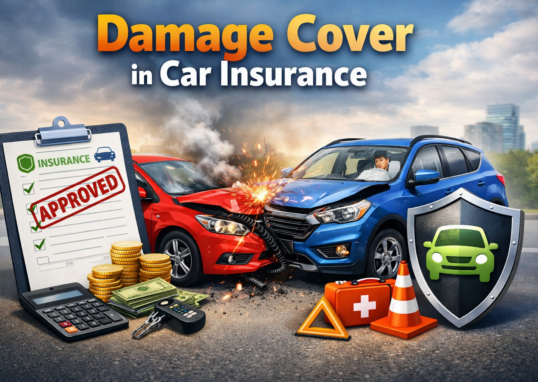
Understanding Own Damage Cover in Car Insurance
Introduction (Real Problem Based) Many vehicle owners in Pakistan purchase car insurance policies without fully understanding what type of protection they are...
Read out all
What Is Motor Insurance and How Does It Work in Pakistan?
Introduction: The Hidden Financial Threat Behind Everyday Driving Driving a vehicle in Pakistan has become an everyday necessity for millions of people....
Read out all
How Insurance Inspectors Assess Vehicle Damage in Pakistan
Introduction: The One Visit That Can Decide Your Claim Outcome After a road accident, most vehicle owners in Pakistan believe that once...
Read out all
How to Read a Car Insurance Policy Document (Step-by-Step Guide for Beginners)
Introduction: Why Most People Don’t Understand Their Insurance Policy Buying car insurance is something many vehicle owners do every year — but...
Read out all
Reasons Why Car Insurance Claims Get Rejected (And How to Avoid It in Pakistan)
Introduction: The Real Problem Most Drivers Face Imagine this… You’ve just had a minor accident on Shahrah-e-Faisal during rush hour. Your bumper...
Read out all
Car Insurance Claim Process in Pakistan: A Step-by-Step Guide
Introduction (Real Problem Based) For many vehicle owners in Pakistan, purchasing car insurance is often considered a routine administrative step—something that needs...
Read out all