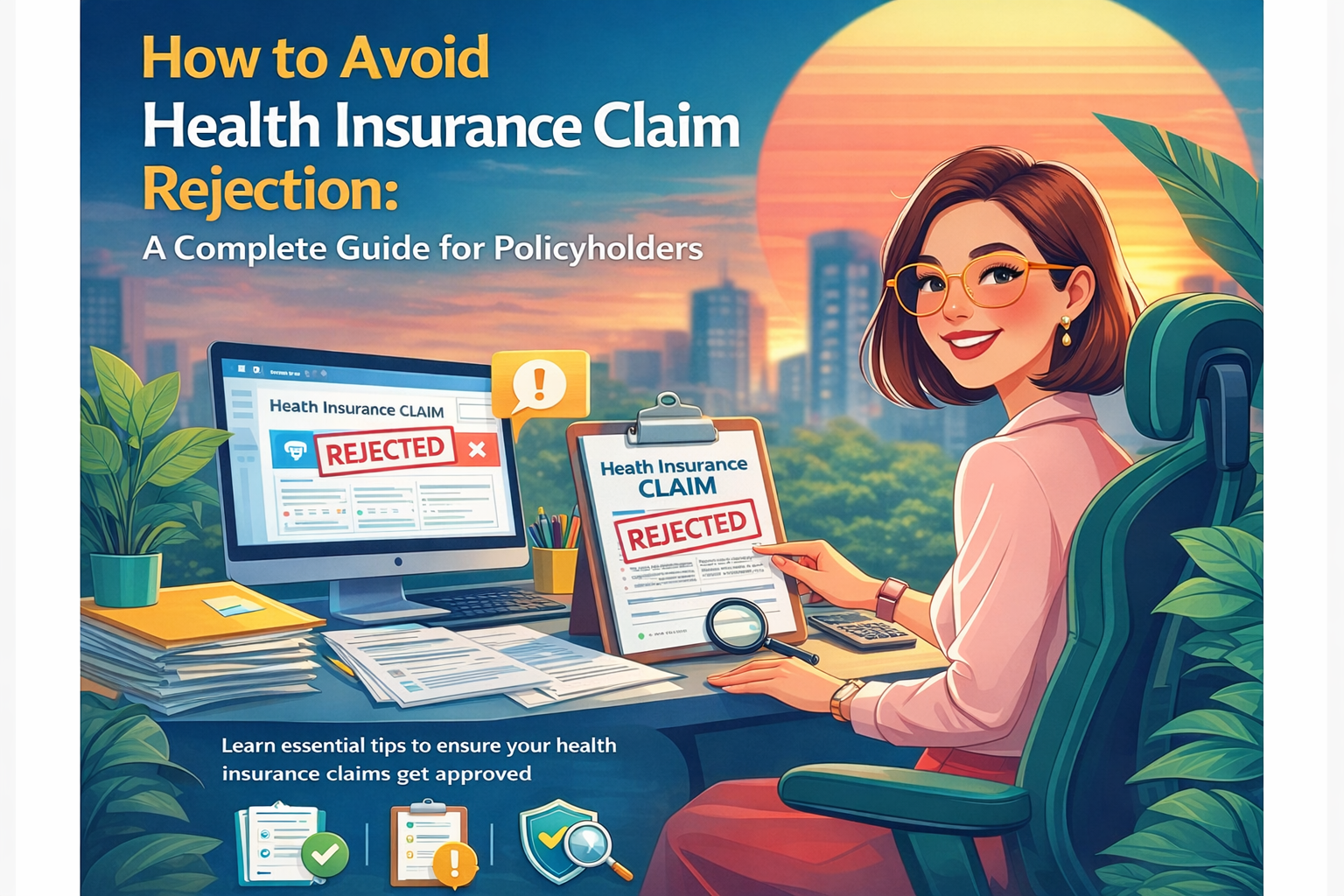
Healthcare in the United States is known for its advanced medical facilities, experienced professionals, and cutting-edge treatment options. However, one of the biggest challenges Americans face today is the high cost of healthcare services.
A single visit to the emergency room can cost hundreds or even thousands of dollars. Surgical procedures, hospital stays, or specialized treatments can quickly turn into financial burdens if you are not properly insured. This is why having the right health insurance plan is not just important — it is essential.
Unfortunately, many people in the U.S. either choose the wrong insurance plan or misunderstand how their coverage actually works. This often leads to unexpected out-of-pocket expenses, denied claims, or limited access to healthcare providers.
If you are planning to purchase health insurance or reconsider your current policy, this guide will help you understand how to choose the right plan without falling into common traps that cost you money.
Why Health Insurance is Crucial in the United States
Unlike many countries with government-funded healthcare systems, the U.S. relies heavily on private health insurance providers. Without insurance, even routine medical procedures can become financially overwhelming.
For example:
- A three-day hospital stay can cost over $30,000
- Emergency room visits may exceed $2,000
- Prescription medications can cost hundreds of dollars monthly
Health insurance helps reduce these expenses by covering a portion of the treatment costs, making healthcare more accessible and affordable.
Understanding Different Types of Health Insurance Plans in the USA
Before selecting a plan, it is important to understand the various types of health insurance available.
Health Maintenance Organization (HMO)
HMO plans generally offer lower premiums but require you to choose a primary care physician (PCP). You may need referrals from your PCP to see specialists.
These plans often restrict coverage to a specific network of doctors and hospitals.
Preferred Provider Organization (PPO)
PPO plans provide greater flexibility. You can visit specialists without referrals and receive treatment from out-of-network providers, although at a higher cost.
While PPO plans usually have higher premiums, they offer more freedom in choosing healthcare providers.
Exclusive Provider Organization (EPO)
EPO plans combine features of HMO and PPO plans. You do not need referrals to see specialists, but coverage is limited to network providers.
Point of Service (POS)
POS plans allow you to choose between network and out-of-network providers, but referrals may still be required for specialist visits.
Key Terms Every American Should Understand
Health insurance policies often include technical terms that can be confusing.
Premium
This is the monthly amount you pay for insurance coverage.
Deductible
The deductible is the amount you must pay out-of-pocket before your insurance begins to cover expenses.
Copayment (Copay)
A copay is a fixed amount you pay for medical services, such as doctor visits or prescription medications.
Out-of-Pocket Maximum
This is the maximum amount you will pay for covered services in a policy year. After reaching this limit, the insurer covers 100% of eligible expenses.
Common Mistakes Americans Make When Choosing Health Insurance
Many policyholders choose plans based solely on monthly premium costs. While lower premiums may seem attractive, they often come with higher deductibles and limited coverage.
Other mistakes include:
- Ignoring provider network restrictions
- Overlooking prescription drug coverage
- Not understanding policy exclusions
- Choosing inadequate coverage limits
Taking time to review policy details can help you avoid unexpected medical bills.
How to Choose the Best Health Insurance Plan for Your Needs
Consider the following factors when selecting a policy:
Your Medical Needs
If you require frequent doctor visits or ongoing treatment, choose a plan with lower deductibles and copays.
Network of Providers
Ensure that your preferred doctors and hospitals are included in the insurer’s network.
Prescription Drug Coverage
Check whether your medications are covered under the plan’s formulary list.
Emergency Coverage
Verify that emergency services are covered, especially if you travel frequently.
Importance of Preventive Care in the U.S.
Preventive healthcare services such as annual checkups, vaccinations, and screenings can detect health issues early.
Many insurance plans in the U.S. offer preventive services at no additional cost, helping policyholders maintain good health and avoid expensive treatments.
Financial Benefits of Having Health Insurance
Health insurance provides:
- Access to quality healthcare
- Coverage for hospitalization
- Protection from high medical bills
- Preventive care services
- Prescription drug coverage
Having insurance ensures that you receive timely treatment without financial strain.
Conclusion
Choosing the right health insurance plan in the United States can significantly impact your financial security and access to healthcare services.
Understanding different plan types, policy terms, and coverage options allows you to make informed decisions that align with your healthcare needs.
Investing time in researching and selecting the right plan today can help you avoid costly mistakes and ensure peace of mind in the future.
Frequently Asked Questions (FAQs)
1. What is the best health insurance plan in the USA?
The best plan depends on your healthcare needs, budget, and provider preferences.
2. Can I change my health insurance plan?
Yes, during the open enrollment period or qualifying life events.
3. Does health insurance cover preventive services?
Most plans offer coverage for preventive care.
4. What happens if I choose an out-of-network provider?
You may have to pay higher out-of-pocket costs.
5. Is emergency care covered by all plans?
Emergency services are generally covered but may vary by policy.
References
- U.S. Department of Health & Human Services (HHS)
- Centers for Medicare & Medicaid Services (CMS)
- Healthcare.gov Insurance Guidelines
- National Institutes of Health (NIH)
Author

abdulaleemabdul1122@gmail.com
Related Posts
Visitor Health Insurance in the United States: A Complete 2026 Guide for Tourists to Stay Financially Protected During Medical Emergencies
Planning a trip to the United States is exciting. From exploring world-famous cities like New York and Los Angeles to visiting family...
Read out all
How to Choose the Right Health Insurance Plan Without Overpaying: A Complete Beginner’s Guide
Healthcare costs are increasing rapidly across the world, and many people only realize the importance of health insurance when they are already...
Read out all
The Complete Guide to Health Insurance: Everything You Need to Know Before Choosing a Plan
In today’s fast-paced world, medical expenses are rising at an alarming rate. A single hospital visit can cost more than what an...
Read out all
What Is Health Insurance? A Complete Beginner’s Guide for Individuals and Families
Introduction: The Medical Expense Problem Most People Face Healthcare costs are rising globally — and Pakistan is no exception. A single visit...
Read out all
How Driving Habits Affect Insurance Coverage
Introduction: The Everyday Behavior That Can Change Your Claim Outcome Most drivers believe that once they purchase car insurance, they are financially...
Read out all