
Introduction (Real Problem Based)
Many vehicle owners in Pakistan are interested in purchasing car insurance but often hesitate because they do not fully understand how insurance premiums are calculated. When presented with different policy quotes from insurance providers, drivers frequently notice that the premium amount varies significantly—even for vehicles that appear to be similar in value or type.
This difference in premium rates may lead to confusion and uncertainty, especially for first-time policy buyers. Some vehicle owners assume that premium charges are fixed or standardized across all insurers, while others believe that the premium is solely based on engine capacity or vehicle price.
In reality, the process of calculating car insurance premiums in Pakistan involves several technical factors, including the vehicle’s market value, age, usage, claim history, and geographic location. Understanding how these elements influence premium costs can help policyholders make informed financial decisions and select insurance coverage that aligns with their risk exposure.
This article explains how car insurance premiums are typically calculated in Pakistan, what factors affect the cost of coverage, and what vehicle owners should say consider before purchasing a comprehensive insurance policy.
How Comprehensive Car Insurance Works
Comprehensive car insurance is designed to offer financial protection against multiple risks that may result in vehicle damage or loss. Unlike basic third-party insurance—which primarily covers damages caused to another person or property—comprehensive insurance includes coverage for the insured vehicle itself.
A comprehensive policy may provide protection in the following situations:
- Road traffic accidents
- Theft or total loss
- Fire-related incidents
- Natural disasters such as floods
- Vandalism or malicious damage
- Third-party liability claims
When an insured event occurs, the insurance company assesses the damage through a formal inspection process. Based on the terms outlined in the policy and the vehicle’s Insured Declared Value (IDV), the insurer may cover repair costs after deducting a specified amount known as the deductible.
The premium charged for such coverage is influenced by several measurable risk factors associated with the vehicle and its usage pattern.
Who Should Buy It?
Comprehensive car insurance may be particularly relevant for:
- Owners of new or recently purchased vehicles
- Individuals driving leased or financed cars
- Owners of high-market-value vehicles
- Daily urban commuters
- Drivers living in flood-prone or high-traffic areas
- Vehicles with costly replacement parts
Vehicle owners who face higher financial risk in the event of damage or loss may benefit from understanding how premium calculations relate to their individual risk profile.
Benefits
A clear understanding of how insurance premiums are calculated may offer the following benefits:
- Better financial planning
- Improved policy comparison
- Transparent understanding of coverage cost
- Reduced likelihood of underinsurance
- Awareness of available premium discounts
- Ability to select appropriate deductibles
This knowledge may help policyholders avoid unnecessary expenses and choose suitable coverage levels.
Limitations
While understanding premium calculations can be useful, there are certain limitations to consider:
- Premium rates may differ across insurance providers
- Some cost factors may not be fully disclosed during quotation
- Policy add-ons may increase the overall premium
- External risk factors such as location may affect rates
Policyholders should review policy documentation carefully before making a decision.
Estimated Cost in Pakistan
The estimated cost of comprehensive car insurance in Pakistan may vary depending on vehicle specifications and risk exposure.
Approximate annual premium ranges include:
- 800cc – 1000cc vehicles: PKR 18,000 – 35,000
- 1300cc – 1800cc vehicles: PKR 35,000 – 65,000
- 2000cc and above: PKR 65,000 – 120,000
These figures are indicative and may differ based on insurer policies, selected coverage options, and vehicle usage patterns.
Factors That Affect Premium
Insurance companies typically calculate car insurance premiums by evaluating several risk-related variables:
1. Insured Declared Value (IDV)
IDV represents the estimated current market value of the vehicle. It is a key factor in premium calculation because higher-value vehicles generally require higher coverage limits.
2. Vehicle Age
Older vehicles may have lower IDV, which can result in a reduced premium. However, depreciation may also affect claim settlement amounts.
3. Engine Capacity
Vehicles with larger engine capacities may attract higher premiums due to increased repair costs.
4. Claim History
Policyholders with a history of previous claims may be considered higher risk, which could increase premium rates.
5. Geographic Location
Vehicles used in areas with higher accident rates or theft incidents may incur higher premiums.
6. Security Features
Installation of anti-theft devices or tracking systems may reduce premium costs.
7. Policy Add-ons
Optional features such as engine protection or roadside assistance may increase the overall premium.
Real Example Scenario
Consider a vehicle owner who purchased a 2020 model 1300cc sedan with a current market value of PKR 2,200,000.
The insurance provider calculated the premium based on:
- IDV: PKR 2,200,000
- Vehicle age: 3 years
- Location: Urban area
- Claim history: No previous claims
- Security feature: Tracker installed
Based on these factors, the annual premium was estimated at PKR 42,000.
If the same vehicle had a claim history or lacked security features, the premium could have been higher.
Tips Before Buying
Before purchasing a comprehensive car insurance policy:
- Verify the vehicle’s IDV
- Compare premium quotes
- Assess policy add-ons
- Understand deductible options
- Review claim procedures
- Evaluate security feature discounts
FAQs
Q1: What is IDV in car insurance?
IDV refers to the Insured Declared Value of the vehicle.
Q2: Can security devices reduce premium costs?
Yes, approved anti-theft systems may lower premiums.
Q3: Does claim history affect premium calculation?
Previous claims may influence premium rates.
Conclusion
Car insurance premium calculation in Pakistan involves a range of technical and risk-related factors. Understanding how elements such as IDV, vehicle age, engine capacity, and geographic location influence premium rates can help policyholders select appropriate coverage.
Evaluating these factors carefully may reduce the likelihood of unexpected financial loss and support better long-term financial planning.
Author Bio
Written by: Ahmed Raza
Auto Insurance Research Analyst
5+ Years Experience in Vehicle Protection Planning
Email: ahmed@insuranceblog.website
Sources / References
- Securities and Exchange Commission of Pakistan (SECP) – https://www.secp.gov.pk
- State Bank of Pakistan (SBP) – https://www.sbp.org.pk
- Ministry of Finance, Government of Pakistan – https://www.finance.gov.pk
- Investopedia – https://www.investopedia.com
Author

abdulaleemabdul1122@gmail.com
Related Posts

What Is Zero Depreciation Car Insurance? A Complete Guide for Vehicle Owners in Pakistan
Introduction (Real-Life Problem) A car accident is already stressful — but what frustrates most vehicle owners in Pakistan is what happens after...
Read out all
What Is Insured Declared Value (IDV) in Car Insurance?
What Is Insured Declared Value (IDV) in Car Insurance? Introduction (Real Problem-Based) In Pakistan, many car owners purchase insurance just to meet...
Read out all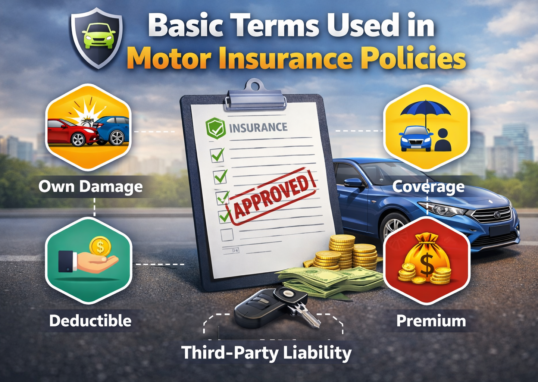
Basic Terms Used in Motor Insurance Policies (Pakistan Context)
How Car Insurance Premium Is Calculated in Pakistan Introduction (Real Problem Based) Aksar jab vehicle owners Pakistan me car insurance ke liye...
Read out all
What Happens After Filing a Car Insurance Claim in Pakistan?
Introduction: The Waiting Period That Confuses Most Policyholders Filing a car insurance claim after an accident often brings a sense of relief...
Read out all
How Car Insurance Survey Process Works in Pakistan
Introduction: The Most Important Step That Decides Your Claim Many vehicle owners in Pakistan believe that filing an insurance claim is just...
Read out all
Steps to Renew Car Insurance Policy in Pakistan
Introduction: The One Task That Can Save You From Major Financial Loss Car insurance renewal is often treated as a routine yearly...
Read out all